About SS ALLEN GRUB SCREW
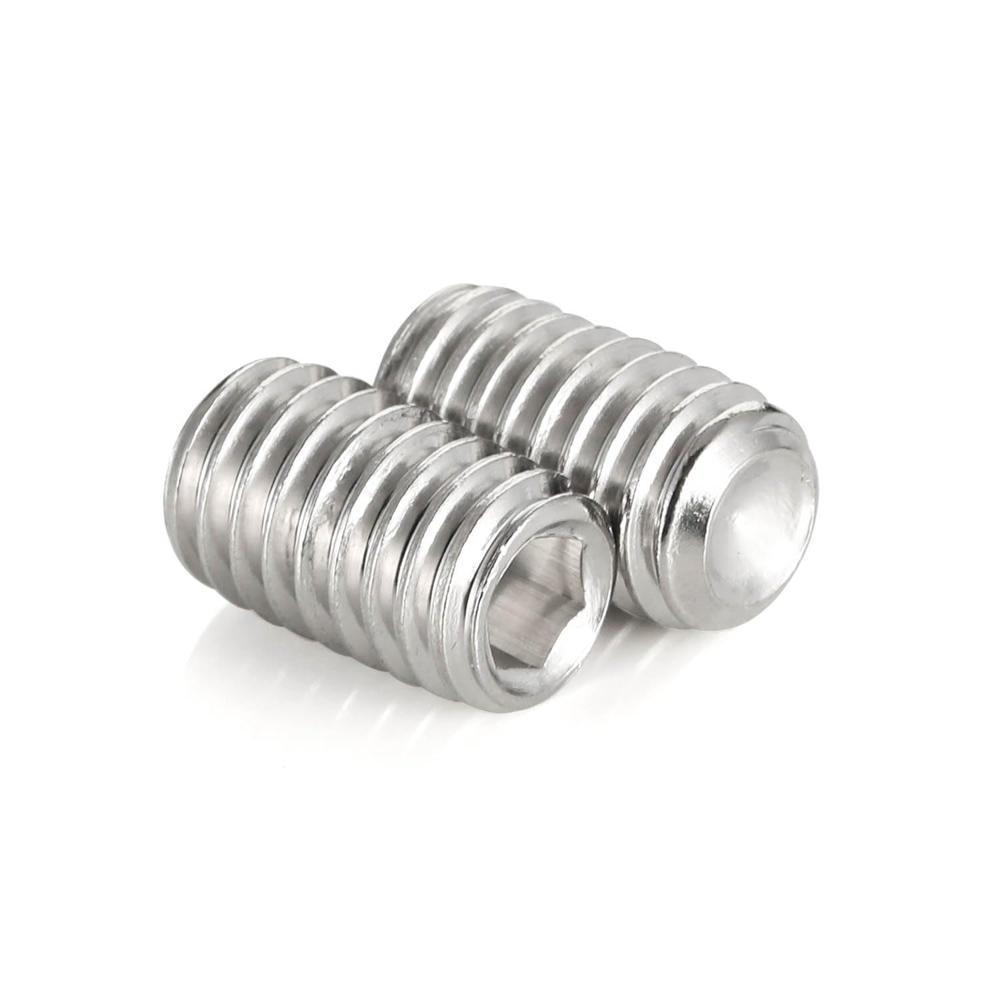
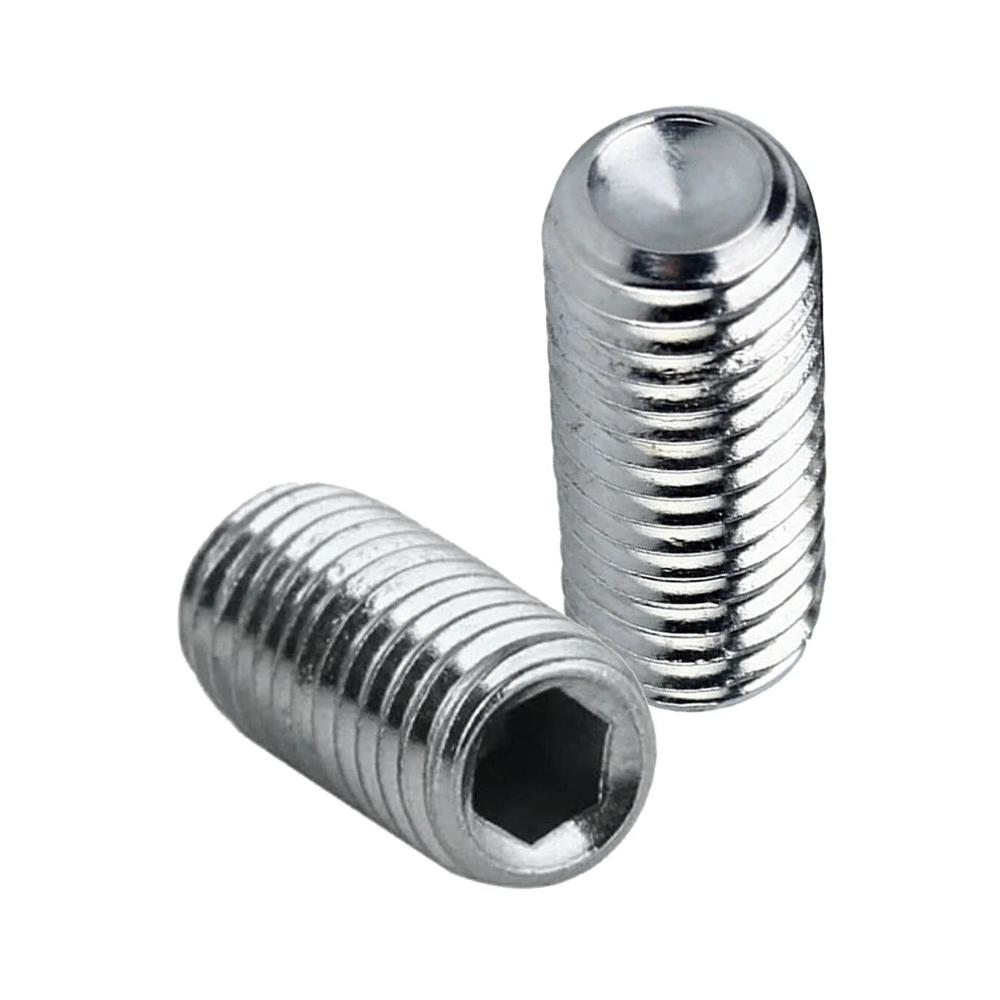
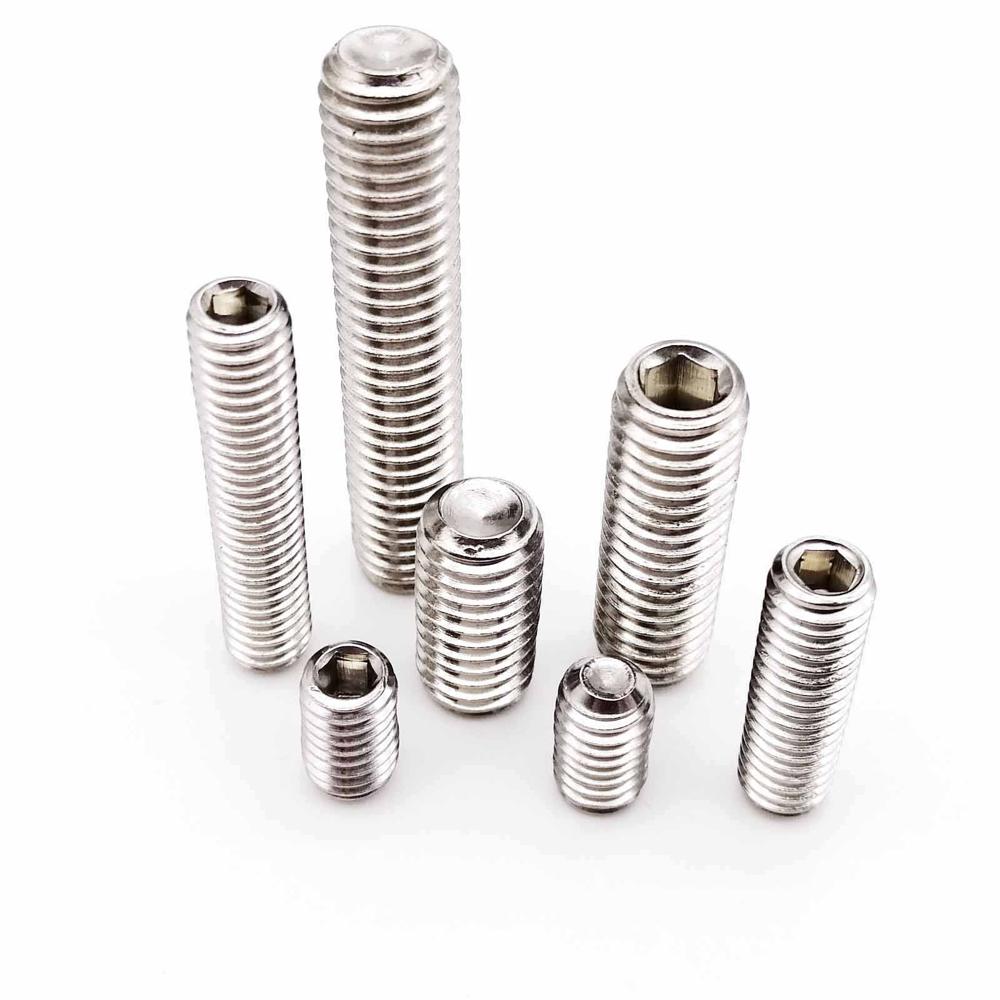
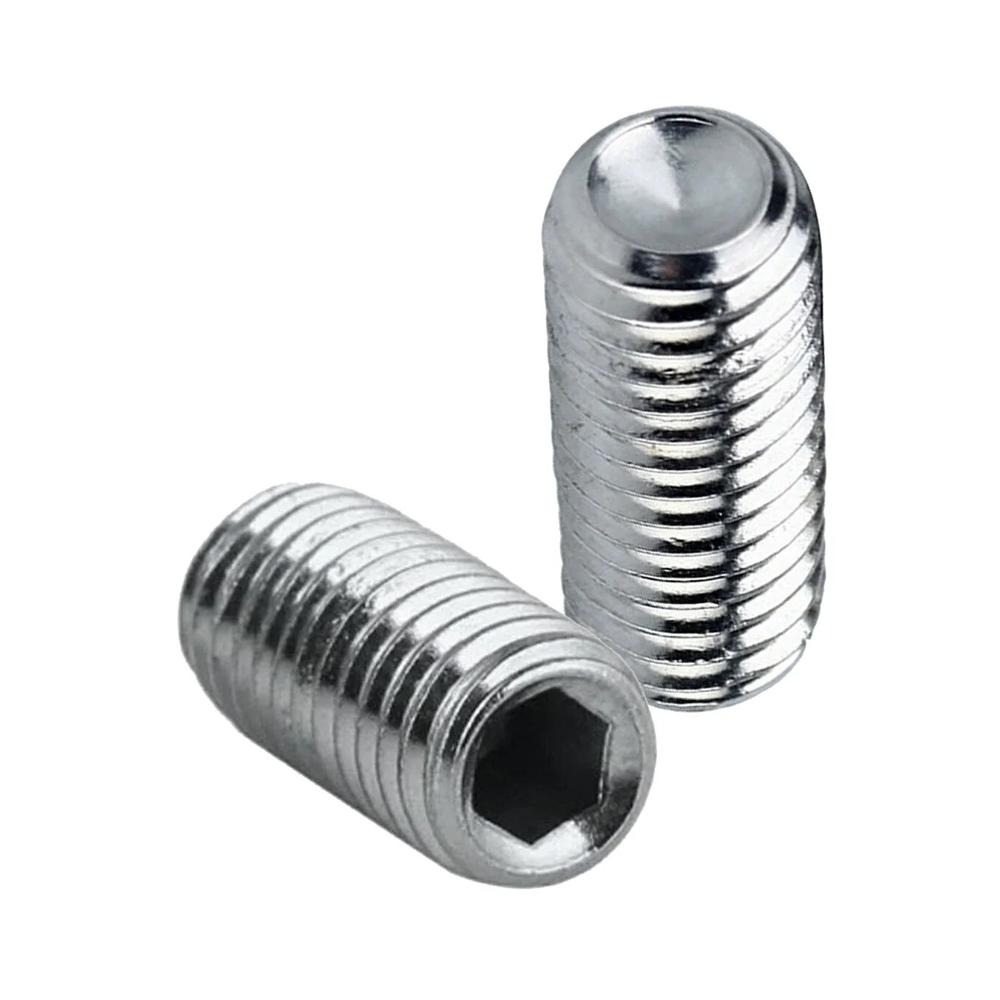
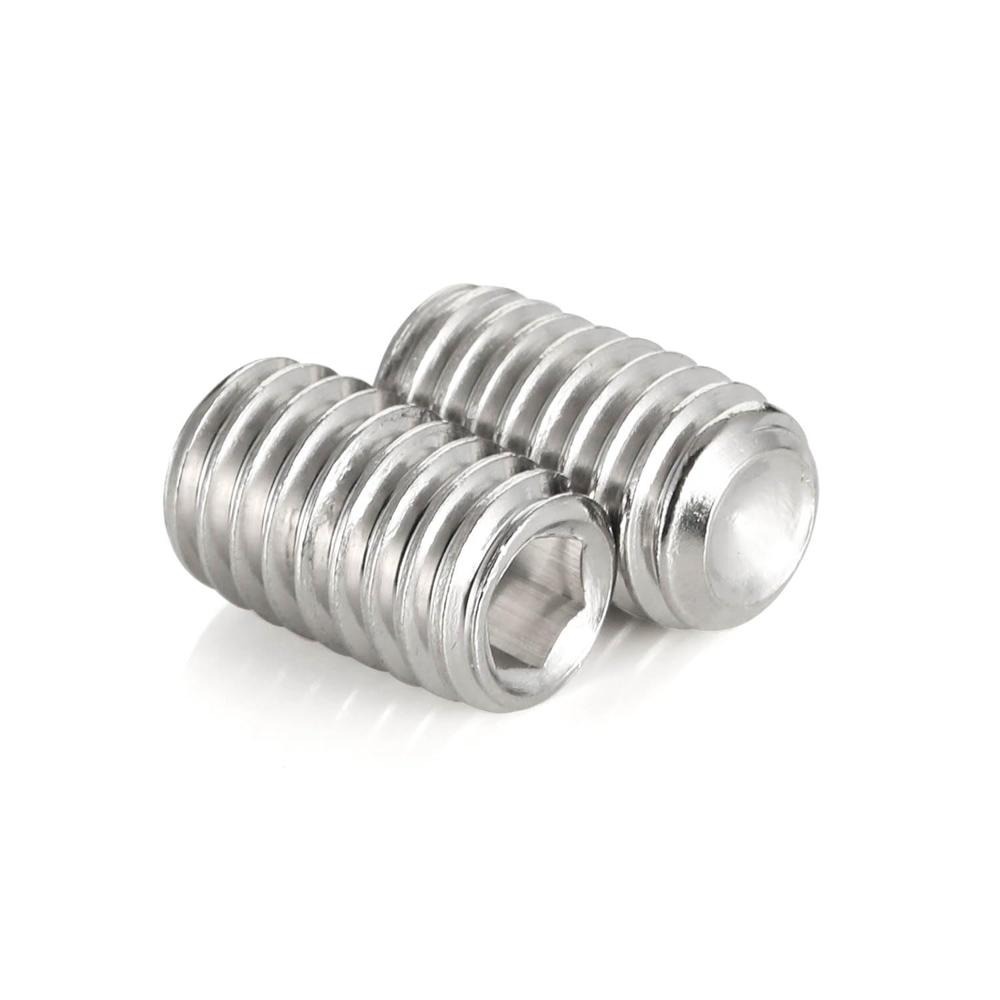
Stainless Steel Allen Grub Screws, also known as set screws, are precision fastening components designed to secure objects within or against another component without the use of a nut. Manufactured from premium-grade stainless steel, these screws offer excellent strength, durability, and superior resistance to corrosion, rust, and harsh environmental conditions, making them suitable for both indoor and outdoor applications.
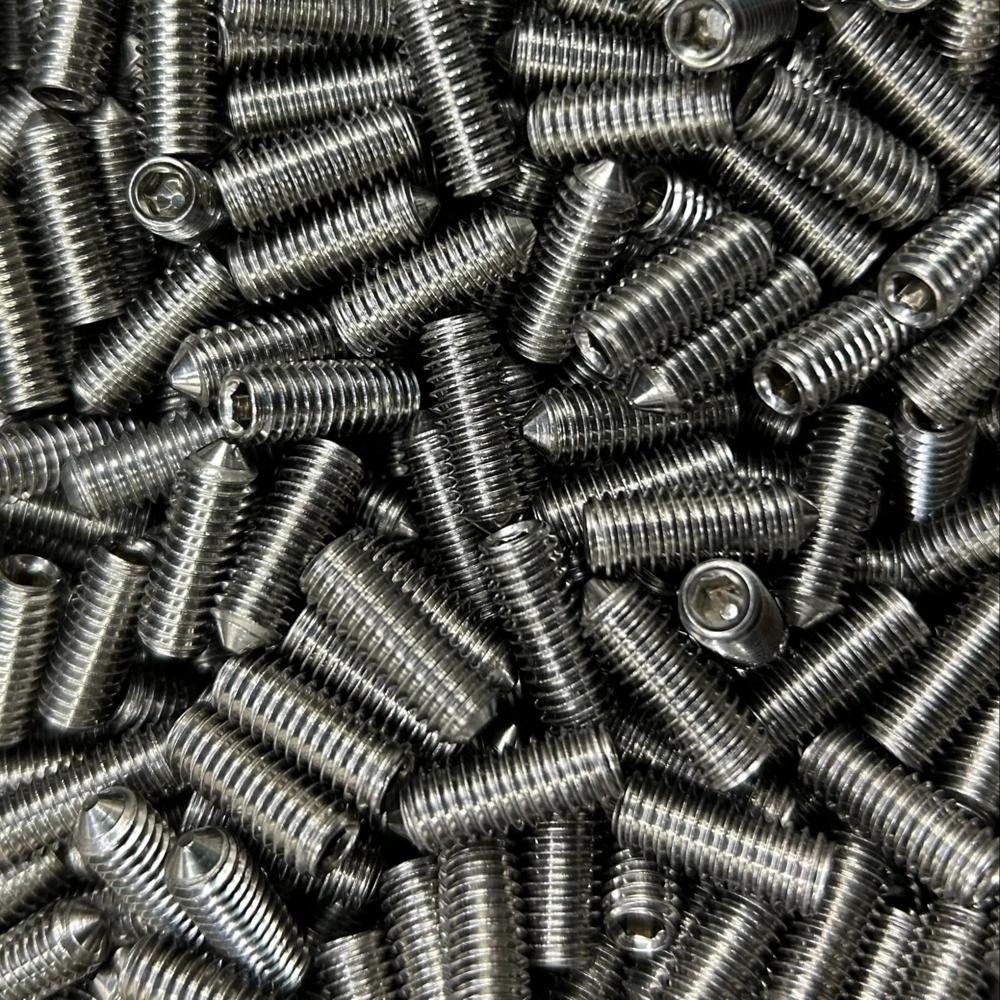
Featuring a headless design with an internal hex (Allen) drive, SS Allen Grub Screws can be tightened using an Allen key, allowing for high torque application and secure fastening in confined spaces. Once installed, they sit flush or below the surface, providing a clean and unobtrusive finish. The tip of the screw (such as flat point, cone point, cup point, or dog point) ensures a firm grip on the contact surface, preventing movement or slippage.
These screws are widely used in machinery, automotive components, shafts, gears, pulleys, collars, and precision engineering applications where accurate positioning and strong holding power are required. Their precise threading and robust construction ensure reliable performance under vibration and load conditions.
Available in various sizes and stainless steel grades such as SS 202, SS 304, and SS 316, Stainless Steel Allen Grub Screws cater to diverse industrial requirements, including applications exposed to moisture, chemicals, and extreme conditions. With their compact design, strong holding capability, and corrosion resistance, they are an essential solution for secure and precise fastening.
Extensive Material SelectionWith SS Allen Grub Screws available in materials such as stainless steel, brass, alloy steel, aluminum, tungsten, and even plastic, users can choose a screw suited to their specific application requirements-whether it be strength, conductivity, or corrosion resistance.
Versatile Surface TreatmentsOur screws undergo a range of high-quality surface treatments, including zinc plating, anodization, Polishing, Geomet, black-oxide, dacromet, and more, aiming to prolong their lifespan, enhance appearance, and elevate their performance in harsh environments.
FAQ's of SS ALLEN GRUB SCREW:
Q: How can I select the appropriate material for an SS Allen Grub Screw?
A: The choice of material depends on factors like environmental conditions, application stresses, and required conductivity. Stainless steel is ideal for corrosion resistance, while brass offers good conductivity. Alloy steel is used for high-strength applications. Customers should consider these aspects before selecting the material.
Q: What surface treatments are provided for SS Allen Grub Screws, and why are they important?
A: Available surface treatments include plating (such as zinc, nickel, and chrome), powder coating, anodization, and others. These treatments enhance corrosion resistance, improve appearance, and extend the screw's durability, making them suitable for diverse environments.
Q: Where can I use SS Allen Grub Screws?
A: SS Allen Grub Screws are commonly used in mechanical assemblies, electronics, automotive applications, and anywhere a flush installation and strong fastening are required. They are particularly useful when the screw head must not protrude from the surface.
Q: What is the process for manufacturing and treating SS Allen Grub Screws?
A: Manufacturing starts with selecting the appropriate material, followed by machining or forming the screw. The thread is then cut or rolled as per metric standards. Finally, the surface treatment process-such as plating, painting, or anodization-is applied to meet specific usage needs.
Q: What are the benefits of using SS Allen Grub Screws with specialized surface coatings?
A: Special surface coatings improve wear resistance, reduce the risk of galling or seizing, and provide extra protection against corrosion, ensuring long-lasting performance in various applications.
Q: When should I use different hardness levels for SS Allen Grub Screws?
A: Hardness requirements depend on the application's mechanical load. Higher hardness is preferred for heavy-load conditions, while lower hardness may suffice for light-duty purposes. All hardness options are available to match your project needs.





 Get Latest Price


 Send Inquiry
 Send Inquiry
 Send SMS
 Call Me Free